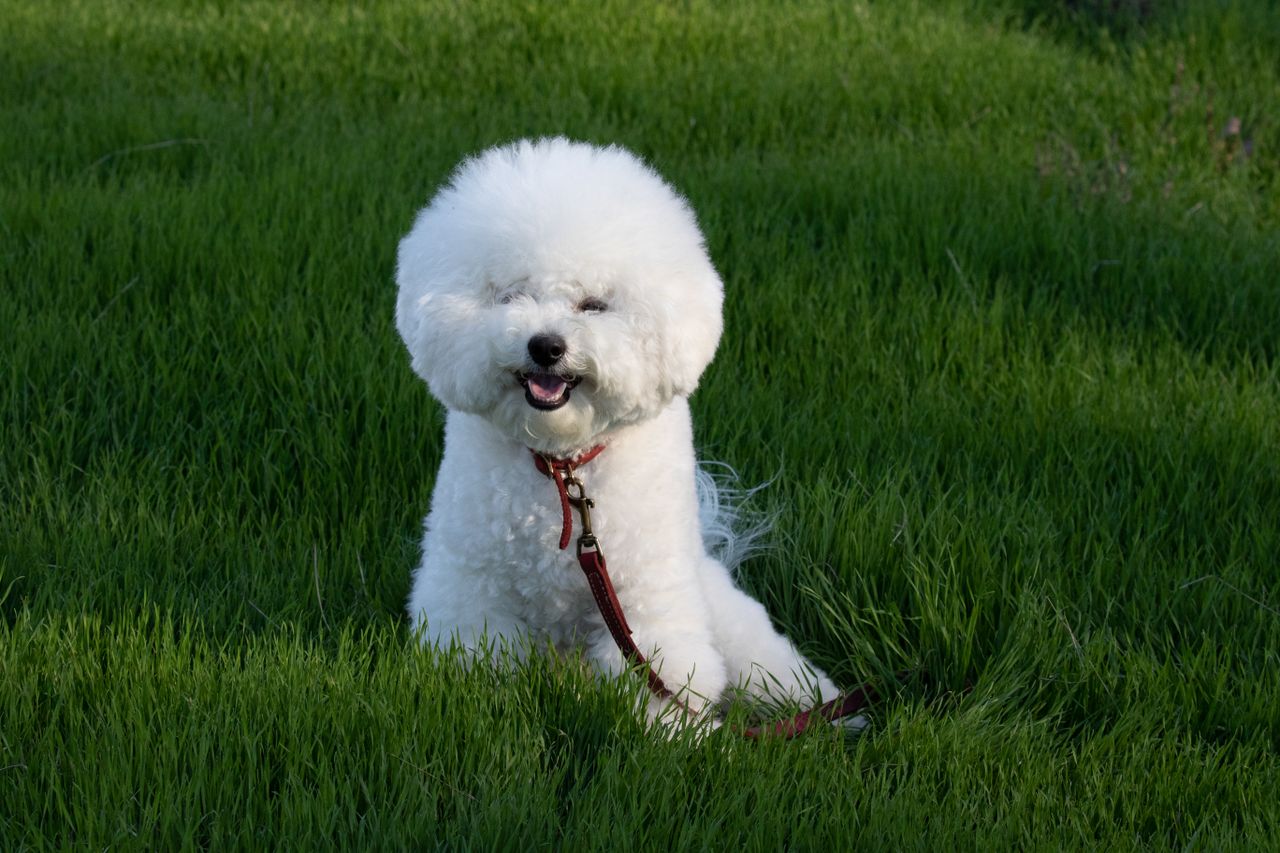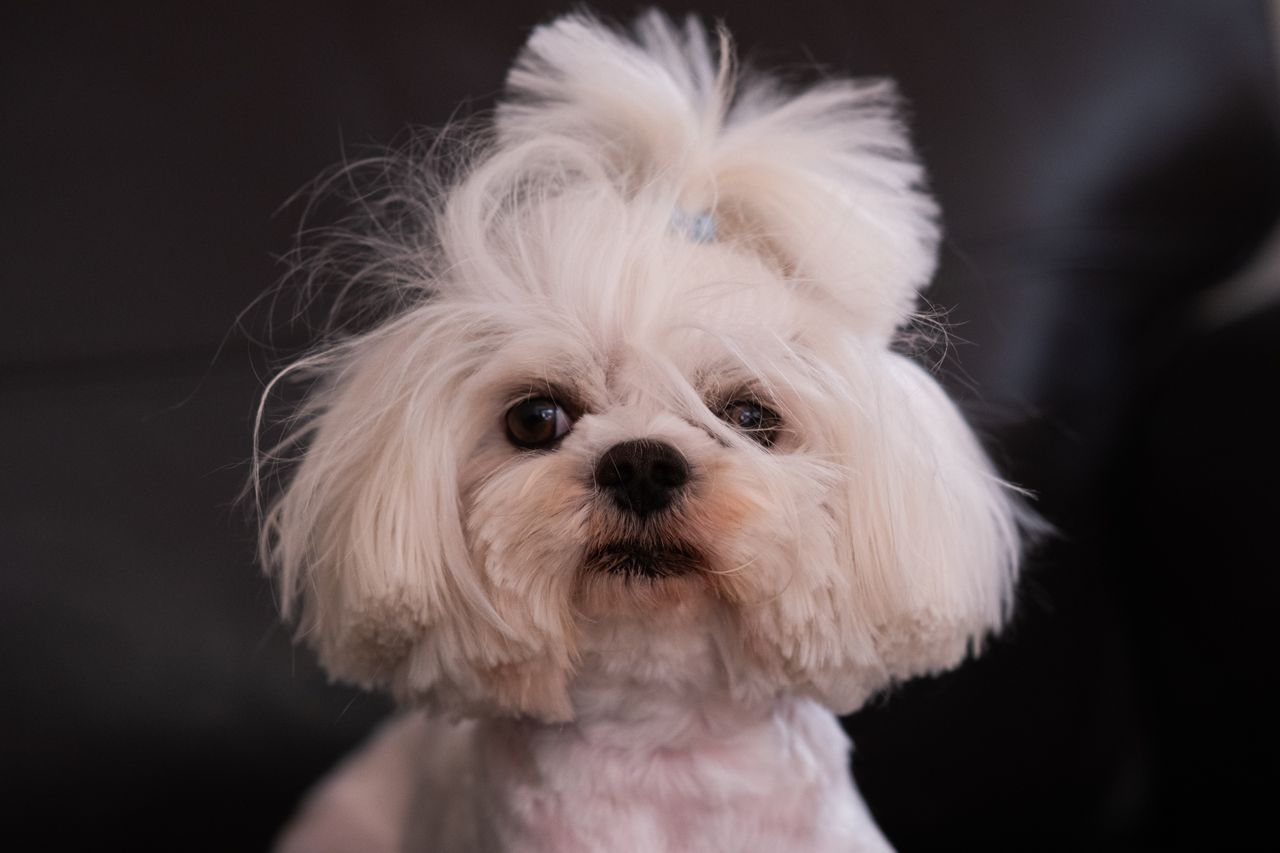
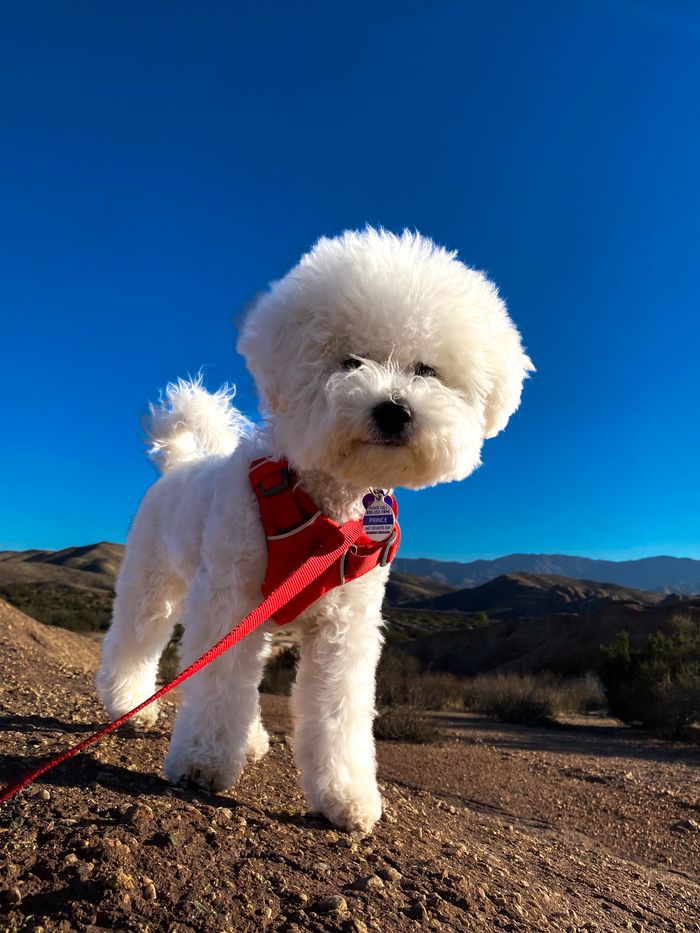
Best Harness for Bichon Frise in 2026: No More Trachea Trouble
You adopted a powdered-sugar cloud with strong opinions. But here’s the catch: that fluffy little neck hides a trachea about as sturdy as a plastic straw, and a yanking collar can do real damage over time. A good harness for Bichon Frise takes the pressure off the throat and puts it where it belongs — across the chest.
If you want the short version, our favorite everyday pick is the Puppia Soft B Vest Harness — it’s breathable mesh, it fits the Bichon build, and our own guy actually tolerates it. But the “why” is the fun part, so stick around.
In this guide:
Why a Harness Matters for Bichon Frise
Bichons are charming, but their airways are not built for tug-of-war. Understanding the “why” makes the buying decision obvious.
That trachea is more delicate than it looks
Bichon Frises are one of several small breeds prone to a collapsed trachea — the cartilage rings in the windpipe weaken and flatten. When a collar yanks on the throat (every time they lunge at a squirrel, a leaf, or pure existential dread), it can worsen coughing and breathing trouble. A harness moves that force to the chest and shoulders, where there’s muscle and bone to spare.
Pulling is a habit, not a personality flaw
Most Bichons aren’t trying to be difficult; they’re just powered by snacks and curiosity. A front-clip or no-pull harness gently steers them back toward you instead of giving you a dislocated shoulder. Think of it as training wheels for good leash manners.
How to Choose the Right Harness
Four filters cut through the 4,000 listings. Get these right and you’ll dodge the “too tight / too loose / ate it / escaped” quadfecta.
- Measure the chest, not the weight. Bichons run 12–18 lbs, but chest girth is what matters. Wrap a soft tape behind the front legs; if you’re between sizes, size up and use the adjusters.
- Step-in vs. over-head. Step-in styles are gentler on ears and eyes (less reaching over the head) — a win for dogs who hate the “hood” moment. Over-head vests often pad better.
- Breathable material. That double coat traps heat. Mesh or lightweight padded fabric keeps a walking cotton ball from overheating on summer walks.
- Reflective + a sturdy D-ring. For evening strolls and a reliable leash clip. Cheap rings bend; you want the one that holds when they spot a squirrel.
Best Harnesses for Bichon Frise (Compared)
These are the ones we’d put in our own cart, grouped by what they’re best at — not ranked like a trophy ceremony.
| Harness | Best For | Key Feature | Price Tier | Check on Amazon |
|---|---|---|---|---|
| Puppia Soft B Vest | Everyday walks | Soft breathable mesh, adjustable chest | $22.15 | View on Amazon |
| Voyager Step-In Air | Wiggly dogs / easy on-off | Step-in design, all-weather mesh | $13.71 | View on Amazon |
| PetSafe Easy Walk (XS/S) | Passionate pullers | Front-clip no-pull steering | $30.76 | View on Amazon |
| rabbitgoo No-Pull (XS) | Padded all-rounder | Two clips, padded, reflective strips | $14.98 | View on Amazon |
Our pick: For most Bichon owners, the Puppia Soft B Vest is the sweet spot — light, breathable, and shaped for a small, slightly square body. If your dog turns every walk into a sled race, the PetSafe Easy Walk earns its keep. Neither is the only right answer; they’re just the ones we’d reach for first.
More Gear Worth a Look
- A sturdy 5-ft leash — pairs with any harness above. A fixed length (not a retractable) keeps your Bichon close near traffic and curbs the zoomies. See it on Amazon.
- A dog seat belt — because a loose 14-lb cloud in a moving car is a hazard and a distraction. Clip it to the harness, not the collar. See it on Amazon.
Frequently Asked Questions
Should a Bichon Frise wear a collar or a harness?
For walks, a harness is the safer pick because it spares the delicate trachea. Keep a lightweight collar on for ID tags, but clip the leash to the harness, not the collar.
What size harness does a Bichon Frise need?
Most adults wear XS or S, but always measure the chest girth (usually 14–18 inches) rather than trusting the weight label. If you’re between sizes, go up and use the adjusters.
Are no-pull harnesses safe for small dogs?
Yes — front-clip no-pull harnesses are safe and gentle when fitted correctly. They steer, they don’t choke. Just avoid over-tightening; you should fit two fingers under any strap.
Can a harness make my Bichon stop pulling?
It helps a lot, but it’s not a magic switch. Pair the harness with a few minutes of “heel” practice and treats; the gear makes the lesson easier to learn. Neither tool replaces consistency.
Wrapping Up
A harness for Bichon Frise isn’t a luxury — it’s basic airway insurance with a side of better walks. Measure the chest, pick a breathable fit, and you’ll both enjoy the stroll more. And while you’re building the setup, don’t forget the daily stuff: our Bichon nutrition guide covers food that keeps that coat fluffy, and the Bichon tear stain guide tackles the face-stain battle.
Related Reading
- Bichon Frise Nutrition Guide — feeding the right food for skin, coat, and tears.
- Ultimate Bichon Frise Tear Stain Guide — causes, wipes, and daily cleaning that actually works.
- New Bichon Puppy Checklist — everything to buy before the little cloud arrives.
Written by the Love Bichon team — Bichon Frise owners who figure everything out the hard way with our own dog, Mochi.
This article was reviewed for accuracy by a licensed veterinarian (DVM). It is for educational purposes only and is not a substitute for professional veterinary advice. Always consult your veterinarian about your dog’s health.
As an Amazon Associate, Love Bichon earns from qualifying purchases.