
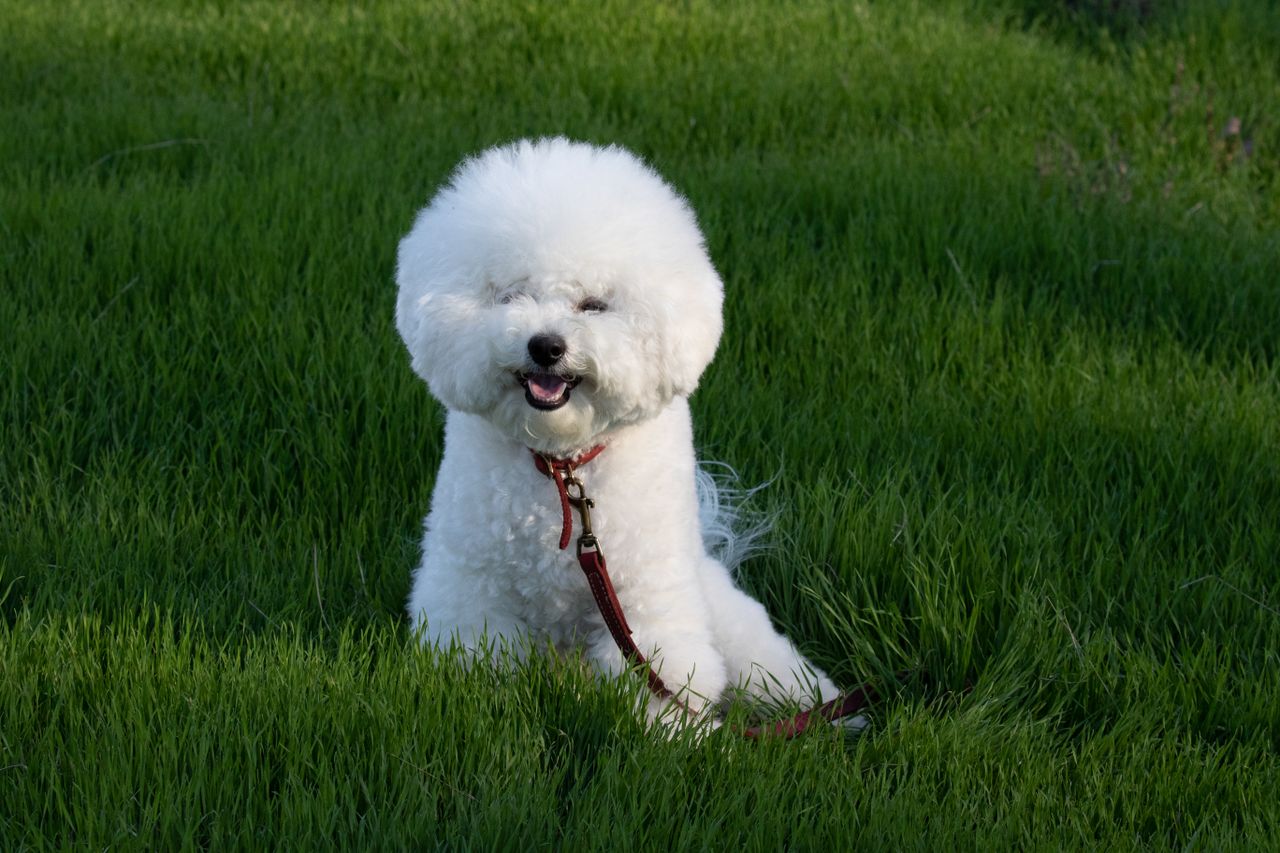
Raising a healthy Bichon Frise is one of the most rewarding journeys you will
ever undertake. These fluffy cotton balls bring immeasurable joy to our lives,
but they also come with specific health and nutritional needs that require
attention, knowledge, and dedication.
This guide is designed to walk you through everything you need to know about
keeping your Bichon healthy, from understanding their unique dietary
requirements to recognizing and preventing common breed-specific health
conditions. Whether you are welcoming a new puppy into your home or caring
for a senior companion, this resource will help you make informed decisions
every step of the way.
PART ONE: UNDERSTANDING THE BICHON FRISE BREED
1.1 A Breed Apart
The Bichon Frise is a small, sturdy, and affectionate breed known for its
fluffy white coat, dark expressive eyes, and cheerful disposition. Originating
from the Mediterranean region, Bichons were bred as companion dogs, and they
excel in this role. They thrive on human interaction and form deep bonds with
their families.
However, their endearing qualities come with responsibilities. Bichons are
predisposed to certain health conditions, and their unique coat type requires
specialized nutrition to maintain skin and hair health. Understanding these
breed-specific characteristics is the first step toward providing excellent care.
1.2 Average Lifespan
A well-cared-for Bichon Frise typically lives between 12 and 15 years, with
many reaching 16 years or older. Achieving this longevity requires consistent,
proactive healthcare throughout their lives. Regular veterinary check-ups,
appropriate nutrition, dental care, and a healthy lifestyle all contribute
to a longer, happier life.
PART TWO: NUTRITIONAL FOUNDATIONS
2.1 The Building Blocks of a Healthy Diet
Proper nutrition is the cornerstone of your Bichon’s health. Every aspect of
their well-being, from their skin and coat to their energy levels and immune
function, depends on the quality and balance of their diet.
A complete and balanced diet for a Bichon should include the following
essential components:
PROTEIN: This is the most important macronutrient for dogs. Protein provides
the amino acids necessary for building and repairing tissues, maintaining
muscle mass, and supporting immune function. For Bichons, high-quality animal
proteins such as chicken, fish, lamb, turkey, and duck are ideal. Look for
foods where a named protein source is the first ingredient.
FATS: Healthy fats, particularly omega-3 and omega-6 fatty acids, are crucial
for your Bichon’s skin and coat health. They help maintain a shiny, soft coat
and prevent dry, flaky skin. Fats also provide concentrated energy and support
brain function. Sources like fish oil, flaxseed, and chicken fat are excellent.
CARBOHYDRATES: While not essential, carbohydrates provide digestible energy
and fiber. Whole grains like brown rice and oats, as well as vegetables like
sweet potatoes and peas, are good sources. However, Bichons can be sensitive
to certain grains, so monitor your dog’s response.
VITAMINS AND MINERALS: These micronutrients support nearly every bodily
function, from bone health to immune response. A high-quality commercial diet
should be fortified with appropriate levels of vitamins and minerals.
2.2 Choosing the Right Food
With countless options available, selecting the right food for your Bichon
can feel overwhelming. Here is a practical framework to guide your decision:
READ THE INGREDIENT LIST: Look for whole, recognizable ingredients. Avoid
foods with vague terms like “meat meal” or “animal by-products.” The first
three ingredients should be high-quality protein sources.
CHECK THE GUARANTEED ANALYSIS: This shows the minimum percentages of crude
protein and fat, and maximum percentages of crude fiber and moisture. For
Bichons, aim for food with at least 25% protein and 12-15% fat.
AVOID ARTIFICIAL ADDITIVES: Steer clear of foods with artificial colors,
flavors, or preservatives like BHA, BHT, and ethoxyquin. Natural preservatives
like mixed tocopherols (vitamin E) are preferable.
CONSIDER LIFE STAGE: Puppies, adults, and seniors have different nutritional
needs. Choose a formula appropriate for your Bichon’s age. Puppies need
higher protein and fat for growth, while seniors may benefit from lower
calories and added joint support.
2.3 Common Dietary Sensitivities in Bichons
Bichons are known to have sensitive digestive systems. Some individuals
develop allergies or intolerances to certain ingredients. The most common
food allergens for Bichons include:
-
Chicken
-
Beef
-
Corn
-
Wheat
-
Soy
-
Dairy
If you suspect your Bichon has a food sensitivity, look for these signs:
-
Chronic itching or scratching
-
Red, inflamed skin
-
Ear infections
-
Gastrointestinal issues such as diarrhea or vomiting
-
Excessive licking of paws
An elimination diet, under veterinary guidance, can help identify problem
ingredients. Once identified, switching to a limited-ingredient diet with a
novel protein source can resolve the issue.
2.4 Feeding Guidelines by Age
PUPPY STAGE (2-12 months): Puppies require more frequent meals to support
their rapid growth and high energy needs. Feed three to four small meals
daily, transitioning to two meals a day around six months of age. Choose
a high-quality puppy formula specifically designed for small breeds.
ADULT STAGE (1-8 years): Feed two meals per day, typically morning and
evening. Measure portions carefully to prevent overfeeding. The amount
depends on your dog’s weight, activity level, and the specific food’s
caloric density. Most adult Bichons need approximately 1/2 to 1 cup of
dry food per day, split between two meals.
SENIOR STAGE (8+ years): As your Bichon ages, their metabolism slows, and
they may become less active. Switch to a senior formula with lower calories
and added joint supplements like glucosamine and chondroitin. Continue with
two meals per day, adjusting portion sizes to maintain a healthy weight.
PART THREE: WEIGHT MANAGEMENT
3.1 The Bichon’s Tendency Toward Obesity
Bichons are prone to weight gain. Their small size, love of food, and
relatively low exercise requirements make them susceptible to obesity.
Extra weight puts significant strain on their joints, heart, and overall
health, potentially shortening their lifespan.
Regular weight monitoring is essential. You should be able to feel your
Bichon’s ribs easily without pressing hard, but they should not be visible.
When viewed from above, your dog should have a visible waist. From the side,
there should be a tuck-up, meaning the abdomen is higher than the chest.
3.2 Preventing Overweight Issues
Weigh your Bichon monthly and record the results. Even small weight changes
can indicate the need for dietary adjustments.
Measure your dog’s food with a standard measuring cup to ensure accuracy.
Avoid free-feeding or leaving food out all day. Treats should account for
no more than 10% of your dog’s daily caloric intake.
Choose healthy treat alternatives like small pieces of carrot, cucumber,
or apple (without seeds). There are also low-calorie commercial treats
available specifically for weight management.
Ensure your Bichon gets adequate exercise. Daily walks, playtime, and
interactive toys help burn calories and maintain muscle tone.
PART FOUR: COMMON HEALTH CONDITIONS IN BICHONS
4.1 Patellar Luxation (Slipped Kneecap)
Patellar luxation is the most common orthopedic condition seen in Bichon Frises.
The patella (kneecap) slips out of its normal groove, causing pain, lameness,
and an abnormal gait. This condition can range from mild to severe.
Mild cases may only require weight management and joint supplements. Moderate
to severe cases often require surgical intervention to realign the kneecap
and prevent long-term joint damage. Regular veterinary check-ups help catch
this condition early.
4.2 Allergies and Skin Conditions
Bichons are prone to various allergies, including environmental allergies
(atopic dermatitis), food allergies, and contact allergies. Symptoms often
include itching, scratching, red skin, hair loss, and recurring ear infections.
Managing allergies requires identifying and avoiding triggers. Common
environmental triggers include pollen, dust mites, and mold. Veterinary
treatment may include antihistamines, steroids, or immunotherapy. Regular
bathing with hypoallergenic shampoo can also soothe irritated skin.
4.3 Eye Problems
The Bichon Frise is susceptible to several eye conditions, including cataracts,
glaucoma, and progressive retinal atrophy. Regular eye examinations are
critical for early detection.
Cataracts cause cloudiness in the eye’s lens and can lead to blindness.
Glaucoma involves increased pressure within the eye and is considered a
medical emergency. Progressive retinal atrophy is a degenerative condition
that gradually leads to vision loss. Regular check-ups can help detect these
issues early when treatment is most effective.
4.4 Dental Disease
Small breeds like Bichons are particularly prone to dental problems. Their
teeth are crowded in small jaws, making plaque and tartar accumulation more
likely. Without proper dental care, periodontal disease can develop, leading
to pain, tooth loss, and even systemic infections affecting the heart and
kidneys.
Daily tooth brushing with pet-safe toothpaste is the gold standard for
prevention. Regular professional cleanings under anesthesia are also
essential. Start dental care early in your Bichon’s life so they become
accustomed to the routine.
4.5 Bladder Stones (Urolithiasis)
Bichons are genetically predisposed to forming bladder stones, particularly
struvite and calcium oxalate stones. Symptoms include blood in the urine,
straining to urinate, and frequent, small-volume urination.
Prevention includes ensuring your dog drinks plenty of water and maintaining
a proper diet. Veterinary care is crucial, as some stones require surgical
removal, while others can be dissolved through dietary management.
4.6 Ear Infections
Due to their floppy ears and the presence of hair within the ear canal,
Bichons are susceptible to ear infections. Allergies, moisture, and
accumulated wax contribute to bacterial and yeast overgrowth in the ears.
Signs of ear infections include head shaking, ear scratching, redness,
swelling, odor, and dark discharge. Preventive care involves regular
cleaning with veterinarian-recommended ear cleaners and keeping the ears
dry after swimming or bathing.
PART FIVE: PREVENTIVE HEALTHCARE SCHEDULE
5.1 Recommended Veterinary Visits
PUPPIES: Veterinary visits every 3-4 weeks for vaccinations, deworming,
and health monitoring until around 16 weeks of age.
ADULTS: Annual wellness exams with core vaccinations and dental check-ups.
SENIORS: Bi-annual wellness exams, including blood work, urinalysis, and
more comprehensive screening for age-related conditions.
5.2 Core Vaccinations
-
Rabies
-
Distemper (DHPP)
-
Parvovirus
-
Adenovirus
Non-core vaccines (such as Bordetella, Leptospirosis, and Lyme disease)
should be discussed with your veterinarian based on your dog’s lifestyle
and risk factors.
5.3 Parasite Prevention
Implement year-round parasite prevention against:
-
Heartworms
-
Fleas and ticks
-
Intestinal parasites (roundworms, hookworms, whipworms)
Your veterinarian can recommend the most appropriate preventive products
for your individual dog.
5.4 Spaying and Neutering
Spaying or neutering your Bichon offers health and behavioral benefits,
including the prevention of reproductive cancers and unwanted litters.
Discuss the optimal timing for these procedures with your veterinarian,
as it can vary based on individual factors.
PART SIX: THE ROLE OF SUPPLEMENTS
6.1 Joint Supplements
Bichons with patellar luxation or age-related joint changes may benefit from:
-
Glucosamine and chondroitin: Support cartilage health and joint mobility
-
Omega-3 fatty acids: Reduce inflammation
-
MSM: Supports joint structure
6.2 Skin and Coat Supplements
For Bichons with dry skin or dull coats, consider:
-
Fish oil: Rich in omega-3 fatty acids
-
Biotin and vitamin E: Support healthy skin and hair growth
-
Zinc: Supports skin healing
Always consult your veterinarian before adding any supplements to your
Bichon’s diet.
PART SEVEN: SIGNS YOUR BICHON NEEDS IMMEDIATE VETERINARY ATTENTION
Do not delay contacting your veterinarian if you observe:
-
Persistent vomiting or diarrhea, especially with blood.
-
Sudden lethargy, weakness, or collapse.
-
Difficulty breathing or persistent coughing.
-
Seizures or tremors.
-
Sudden onset of blindness or disorientation.
-
Uncontrolled bleeding or bruising.
-
Inability to urinate or defecate.
-
Swollen or painful abdomen.
Early intervention can be life-saving. When in doubt, always consult your
veterinarian immediately.
FINAL THOUGHTS
Caring for a Bichon Frise is a commitment to their health and happiness,
spanning their entire lifetime. A well-balanced diet, regular veterinary
check-ups, adequate exercise, preventive care, and attentive observation
are the pillars of a healthy, long life.
Each Bichon is an individual with unique needs. What works for one may not
work for another. Learning to recognize and respond to your dog’s specific
requirements will help you become the best possible advocate for their
health and well-being.
The love and companionship of a Bichon are returns that multiply every
investment you make in their care. May your journey together be filled with
health, joy, and abundant furry snuggles.