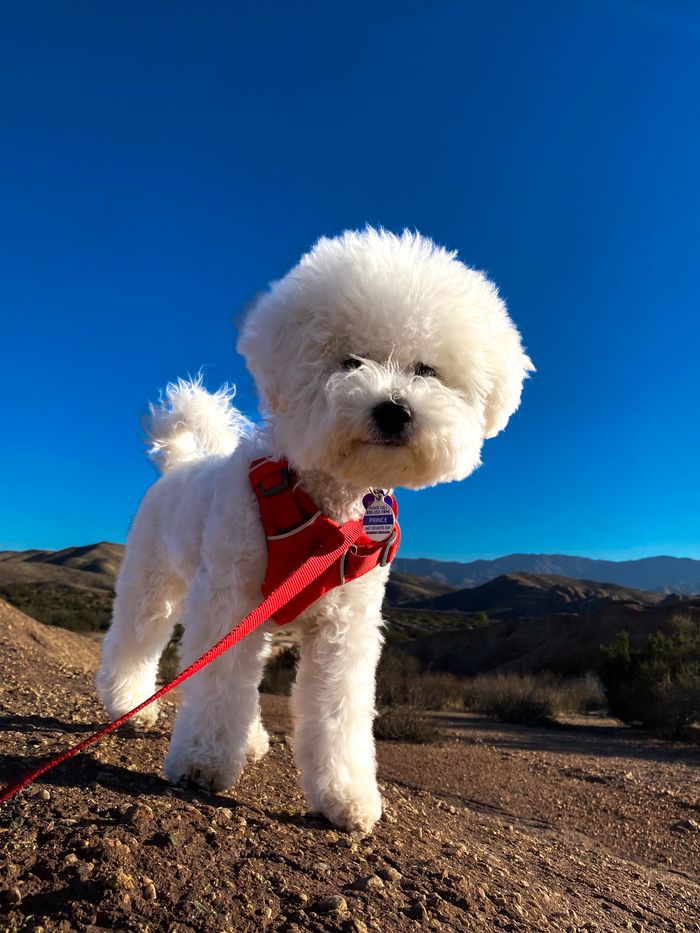
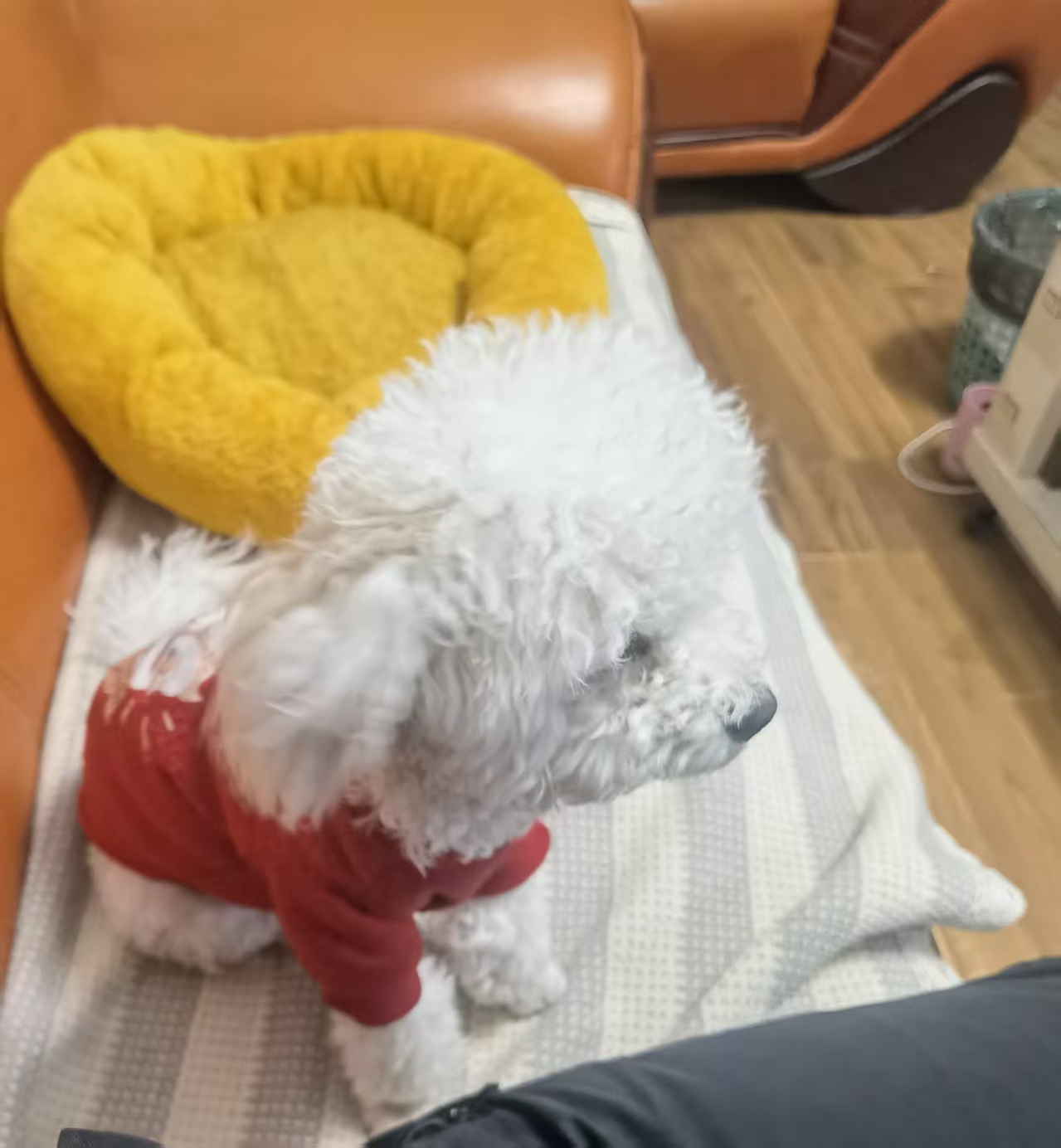
There is a moment I will never forget. It was a rainy Saturday, and I was sitting on my living room floor, surrounded by puppy supplies I had spent weeks researching. The doorbell rang. And there, in a small carrier, was a tiny white fluffball who would change everything. He was so small that I was terrified to hold him. His legs wobbled. His nose twitched. And when he looked up at me with those impossibly dark eyes, I felt something shift in my chest. I was no longer just a person with a dog. I was a Bichon parent.
That was the day I brought Tofu home. And if I am honest with you, those first few weeks were not the magical, Instagram-worthy experience I had imagined. There were moments of pure joy, yes. But there were also moments of panic, exhaustion, and the nagging feeling that I was doing everything wrong.
If you are reading this, you are probably right where I was. Maybe you are about to bring your Bichon puppy home, or maybe you already have and are wondering what on earth you have gotten yourself into. Either way, I want you to know something important: you are going to be okay. And more importantly, your puppy is going to be okay too.
This guide is everything I wish someone had told me before I brought Tofu home. It is not a textbook. It is a conversation between one Bichon parent and another. So grab a cup of tea, sit down, and let us walk through this together.
BEFORE THE PUPPY ARRIVES: PREPARING YOUR HOME
The day you bring your puppy home, they will be leaving behind everything they have ever known. Their mother, their littermates, the only home they have ever had. It is a huge transition, and your job is to make that transition as gentle as possible.
Start by setting up a safe space for your puppy. This is usually a crate or a playpen in a quiet area of your home. Do not put them in a busy room where there is constant foot traffic. They need somewhere quiet where they can retreat and feel secure. Line the crate or pen with soft bedding, and make sure there is enough space for them to stand up, turn around, and lie down comfortably. If the space is too large, they may use one corner as a bathroom, which can complicate potty training.
Puppy-proofing your home is your next task. It is amazing how quickly a tiny Bichon can find trouble. Get down on your hands and knees and look at your home from their eye level. This will help you spot hazards you might otherwise miss. Move electrical cords out of reach, secure loose cables, remove small objects that could be swallowed, close off areas you do not want your puppy to access, cover floor vents and secure garbage cans. Also, check your houseplants for toxicity, as many common plants are dangerous to dogs.
Your shopping list for a Bichon puppy should include high-quality puppy food, specifically formulated for small breeds, a crate or playpen, soft bedding, food and water bowls, a collar and leash, a variety of chew toys, a grooming brush, puppy pads, and enzymatic cleaner for accidents.
CHOOSING YOUR PUPPY: WHAT TO LOOK FOR
If you have not yet chosen your puppy, take your time with this decision. A good breeder will let you meet the puppy’s mother and see the environment where the puppies are raised. The environment should be clean, warm, and full of happy, active puppies. The breeder should be able to provide health clearances for the parents, particularly for conditions that affect Bichons like patellar luxation and eye problems. They should ask you questions about your lifestyle and home to ensure you are a good fit for one of their puppies, and they should show genuine care for the well-being of the puppies beyond the transaction. If a breeder seems more interested in the money than the welfare of the dogs, walk away.
When you meet the puppies, look for one that is curious, playful, and shows no signs of fear or aggression. A confident puppy will approach you with a wagging tail, while a healthy puppy should have clear, bright eyes, a clean nose, clean ears, and a soft, shiny coat. If you have the option, spend time with the litter and observe how the puppies interact with each other. A well-socialized puppy is more likely to adapt easily to your home.
THE FIRST 24 HOURS: WHAT TO EXPECT
The first day is overwhelming for both of you. Your puppy has just been separated from their family, and they are scared. Do not be surprised if they cry or whimper during their first night. They have never slept alone before. Some breeders will give you a small blanket or toy that smells like the mother and littermates. This scent is incredibly comforting for your puppy during those first few nights. If you did not receive one, you can place a warm water bottle wrapped in a towel in their crate to mimic the warmth of their littermates.
Keep the first day low-key. Introduce your puppy to their new home gradually, one room at a time. Do not overwhelm them with too many people or too much activity. Take them to their potty spot frequently and reward them when they go. Let them explore at their own pace, and stay close to provide comfort when they need it.
And then, get ready for the night. Your puppy will likely cry. It is heartbreaking to hear, but it is normal. You can place the crate near your bed so they know you are close. A ticking clock wrapped in a blanket can mimic the heartbeat of their mother and provide comfort. Soft music or white noise can also help soothe them. When they cry, take them out for a quick, quiet potty break, but do not turn it into playtime. The goal is to teach them that nighttime is for sleeping.
FEEDING YOUR BICHON PUPPY
Nutrition is critical during the puppy stage. Your Bichon puppy needs food that supports their rapid growth and development. Choose a high-quality puppy food specifically formulated for small breeds. Small breed puppy food has smaller kibble size and the right balance of nutrients for their developing bodies. Stick with the same food the breeder was feeding for the first week or two to avoid digestive upset. If you decide to switch to a different brand, transition gradually over seven to ten days, mixing increasing amounts of the new food with decreasing amounts of the old food.
Puppies need to eat more frequently than adult dogs. Feed your Bichon puppy three to four small meals per day. The exact amount will depend on the specific food you are using, so follow the feeding guidelines on the package and adjust based on your puppy’s individual needs. Always have fresh, clean water available, but consider removing the water bowl about two hours before bedtime to reduce the chance of nighttime accidents.
TREATS AND TRAINING REWARDS
Treats are an essential part of training, but they should be small. A tiny piece of boiled chicken, a small training treat, or even a single kibble works perfectly. You will be giving a lot of treats during training, so keep them tiny to avoid overfeeding. Treats should make up no more than ten percent of your puppy’s daily calorie intake.
POTTY TRAINING: THE REALITY CHECK
Let us be honest about potty training. It is hard. It is frustrating. And there will be days when you feel like your puppy will never learn. But they will.
The most important rule is to be consistent. Take your puppy outside frequently. The general rule is that puppies can hold their bladder for about one hour per month of age, plus one. So a two-month-old puppy can typically hold it for about three hours. But this is a rough guideline. Some puppies have less control, and excitement or play can trigger accidents. The best approach is to take them out after every nap, after every meal, after every play session, and first thing in the morning and last thing at night. If you are not sure whether they need to go, take them out anyway. It is always better to be safe than to clean up a mess.
Choose a specific potty spot and take them there on a leash every single time. Use a consistent command like “Go potty” or “Hurry up.” When they eliminate outside, reward them immediately with praise and a treat. The reward must happen right away so they understand what they are being praised for. If you wait until you are back inside, they will not make the connection.
Supervise your puppy constantly when they are indoors. If you cannot watch them, they should be in their crate. Accidents happen when we are not paying attention. When you catch your puppy eliminating indoors, interrupt them with a gentle “Oops” and carry them outside to their potty spot. If they finish outside, reward them. If not, that is okay too. Clean all accidents thoroughly with an enzymatic cleaner. Regular household cleaners do not remove the scent completely, and your puppy will be drawn to the same spot again if they can still smell it.
Never punish your puppy for accidents. Scolding, rubbing their nose in it, or hitting them only teaches them that you are scary and that they should eliminate in secret where you cannot see them. This makes potty training harder, not easier. Punishment also damages the trust between you and your puppy.
CRATE TRAINING: CREATING A SAFE HAVEN
I want to address a common concern about crate training. Some people worry that it is cruel. I felt that way too, until I saw how much Tofu loved his crate. A properly introduced crate is not a prison. It is a den. It is a safe, comfortable space where your puppy can relax and sleep without being disturbed.
Make the crate inviting. Place soft bedding inside and toss in a few treats and toys. Leave the door open and let your puppy explore on their own terms. Do not force them inside. When they go in willingly, praise them. The first time you close the door, keep it short. Just a minute or two while you are sitting right there. Gradually increase the time and the distance. If your puppy whines in the crate, wait for a brief moment of silence before letting them out. If you let them out when they are whining, you are teaching them that whining opens the door. However, there is a difference between attention-seeking whining and genuine distress. If your puppy is howling, panicking, or scratching frantically at the door, they are not ready for the crate for that length of time. Go back to shorter durations and build more slowly.
The crate is also an invaluable tool for potty training. Dogs are naturally clean animals and usually will not soil their sleeping area. If the crate is properly sized, your puppy will learn to hold it until you let them out. But remember, puppies have small bladders, so you must take them out frequently enough.
SOCIALIZATION: THE CRITICAL WINDOW
This is the most important thing I can tell you about raising a Bichon puppy. You have a golden window of opportunity for socialization that closes around sixteen weeks of age. Everything your puppy experiences during this time shapes their view of the world. If they have positive experiences with a wide variety of people, dogs, and environments, they will grow into a confident, well-adjusted adult. If they are isolated, they are more likely to become fearful and anxious.
Start socialization immediately, even before their vaccinations are complete. The American Veterinary Society of Animal Behavior actually recommends starting socialization before the vaccine series is finished because the risks of poor socialization outweigh the small risk of disease. Just be smart about it. Take your puppy to safe places where the risk of disease is low, like your backyard, a friend’s home, or a quiet street. Carry them in areas where you are concerned about disease. Avoid dog parks and other high-traffic dog areas until your puppy is fully vaccinated.
Expose your puppy to as many different things as possible. Different types of people, children, men with beards, people wearing hats, people carrying umbrellas. Different dogs, calm, friendly, vaccinated adult dogs who can teach your puppy good manners. Different sights and sounds, traffic, vacuum cleaners, doorbells, bicycles, children playing. Different surfaces, grass, concrete, wood floors, carpet, sand, stairs.
When you introduce something new, let your puppy approach it at their own pace. Do not force them into interactions they are not ready for. Pair every new experience with high-value treats. You want your puppy to learn that new things are good because good things happen when they encounter them. If your puppy shows fear, do not push them. Back up and try again more slowly.
BICHON PUPPY BEHAVIORS: WHAT IS NORMAL
Biting and mouthing is completely normal for a Bichon puppy. They explore the world with their mouths, and their baby teeth are sharp. When your puppy bites you, let out a high-pitched yelp, stop playing, and walk away. This is how puppies learn bite inhibition from their littermates. If you do this consistently, your puppy will learn that biting means the fun stops. Never play rough games that encourage biting, and always have a toy ready to redirect their attention when they try to bite.
Chewing is another normal puppy behavior. It is how they relieve teething discomfort and explore their environment. Provide plenty of appropriate chew toys and praise them when they use them. If you catch your puppy chewing something inappropriate, calmly interrupt them and redirect them to a proper chew toy. Do not punish them for chewing. They are just being a puppy, and it is your job to put chewable items out of reach and provide suitable alternatives.
Your Bichon puppy will have a lot of energy, but they will also sleep a lot. Puppies need about eighteen to twenty hours of sleep per day. When they are awake, they are either eating, playing, or learning. Respect their sleep and let them rest without interruption.
THE FIRST VETERINARY VISIT
Schedule your puppy’s first veterinary visit within the first few days of bringing them home. The breeder should have provided you with the puppy’s vaccination and deworming records. Bring these to the appointment. Your veterinarian will perform a thorough physical exam, check for parasites, administer age-appropriate vaccinations, and discuss important topics with you including when to spay or neuter, the best flea and heartworm prevention for your lifestyle, and the vaccination schedule for the coming months.
BRINGING IT ALL TOGETHER
Raising a Bichon puppy is not always easy. There will be sleepless nights. There will be accidents on the carpet. There will be moments when you wonder if you made a mistake. But there will also be moments of pure, overwhelming love. That first time your puppy wags their tail when you walk in the room. The first time they curl up in your lap and fall asleep. The first time they give you that look that says, “You are my whole world.”
I still remember all those firsts with Tofu. He is not a puppy anymore, but in so many ways, he still is. He still bounces when he is excited. He still curls up in my lap. He still looks at me like I am his entire universe. And I am so grateful I did not give up during those hard early weeks.
You are going to make mistakes. I sure did. But your puppy does not need you to be perfect. They just need you to be there. To be patient. To be kind. To show up every day and love them with everything you have.
That is what being a Bichon parent is all about. Not perfection. Just love. So take a deep breath, enjoy the chaos, and know that you are exactly the right person for this fluffy little soul who has just walked into your life.