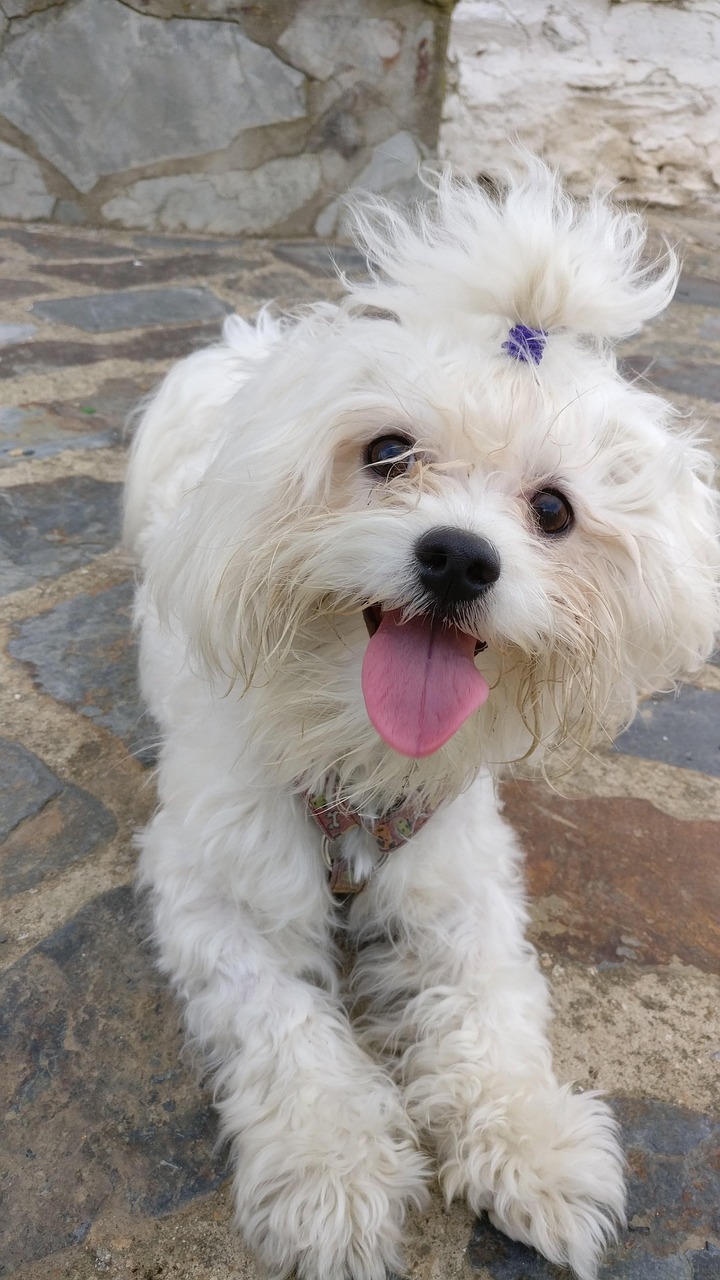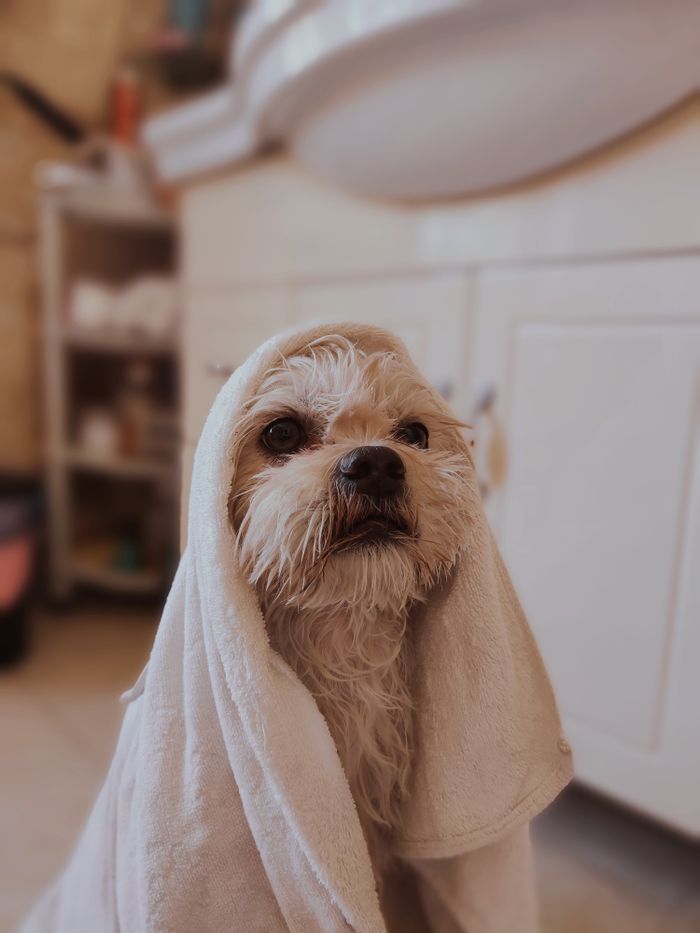

A NOTE TO BICHON PARENTS
Tear stains are one of the first major challenges every cotton-ball parent
encounters on their journey of raising a fluffy companion. No matter how often
you wipe, those stubborn reddish-brown streaks seem to cling persistently
beneath those round, expressive eyes, making your snowy-white pup look as
though they have just been crying.
The good news? Tear stains are manageable. This guide will walk you through
everything you need to know, from understanding the root causes to
implementing daily care routines that truly work.
PART ONE: WHY BICHONS? UNDERSTANDING THE ROOT CAUSES
1.1 The Anatomy Factor
Bichons are brachycephalic (flat-faced) breeds. This means:
-
Their lacrimal glands produce more tears than other small breeds.
-
Their nasolacrimal ducts (tear drainage passages) are naturally narrow
and tortuous.
The result: tears cannot drain smoothly into the nasal cavity. Excess tears
overflow from the inner corners of the eyes, soaking the hair beneath. When
this iron-rich tear fluid (containing porphyrins) oxidizes upon contact with
air, it leaves behind reddish-brown or rust-colored stains on the white coat.
1.2 Dietary Factors
What your Bichon eats directly affects tear production. Common dietary
triggers include:
-
High-sodium, high-fat human food or low-quality kibble, which stresses
the kidneys and stimulates excessive tearing. -
Food sensitivities to ingredients such as chicken, beef, or grains,
which trigger allergic reactions including itchy, watery eyes. -
Insufficient water intake, which makes tears more concentrated and
prone to accumulating at the eye corners.
1.3 Environmental and Care Factors
Even with perfect anatomy and diet, these factors can worsen tear stains:
-
Overgrown periocular hair rubbing against the eyeball, causing
continuous irritation and reflexive tearing. -
Infrequent eye cleaning, allowing discharge to accumulate and harbor
bacteria and fungi. -
Untreated ear infections or ear mites, as ear nerves are closely
connected to the eye area. -
Poor water quality, particularly tap water high in minerals like iron.
-
Stress and anxiety, which can disrupt normal tear secretion.
PART TWO: DAILY CARE ROUTINES
2.1 Morning and Evening Eye Cleaning
This is the single most important habit for tear stain management.
STEP 1: Moisten a cotton ball with warm water or use a dedicated pet eye wipe.
STEP 2: Gently wipe from the inner corner of the eye outward, removing
discharge and excess tears.
STEP 3: Pat the area dry with a dry cotton pad or tissue.
CRITICAL: Always ensure the periocular area is completely dry after cleaning.
Moisture invites bacteria and yeast, which accelerate staining.
2.2 Regular Hair Trimming
The hair around your Bichon’s eyes should be trimmed every 1-2 weeks.
-
Use blunt-tipped curved scissors for safety.
-
Focus on hairs near the inner corners that tend to poke the eyes.
-
If unsure, seek professional grooming assistance.
2.3 Ear Health Checks
Inspect your Bichon’s ears weekly. Watch for:
-
Unusual odor.
-
Brownish or dark discharge.
-
Frequent head shaking or ear scratching.
Clean ears with a vet-approved ear solution to maintain health and
indirectly reduce tear gland stimulation.
PART THREE: DIETARY ADJUSTMENTS
3.1 Upgrade to High-Quality Kibble
Choose a premium natural or prescription diet with:
-
Clearly listed, recognizable ingredients.
-
Controlled sodium content.
-
Moderate fat levels.
Avoid table scraps and high-salt, high-sugar treats entirely.
3.2 Identify Food Allergies
If tear stains persist despite good care, consider an elimination diet:
-
Switch from chicken-based food to fish, duck, or venison formulas.
-
Observe for 2-4 weeks to assess improvement.
3.3 Optimize Water Intake
-
Provide fresh, filtered or purified water instead of tap water.
-
Ensure your Bichon has constant access to clean water throughout the day.
PART FOUR: SAFE HOME REMEDIES
Apple Cider Vinegar
Add approximately one teaspoon of organic apple cider vinegar to your Bichon’s
drinking water. This may help gently alter the body’s pH balance, inhibiting
yeast and bacteria growth. Start with a minimal amount and monitor your dog’s
response.
Baking Soda Paste
Mix a small amount of baking soda with warm water to form a paste. Apply
gently to stained hairs, let it sit briefly, then rinse thoroughly.
WARNING: Avoid any contact with the eyes.
Cornstarch
After cleaning and drying the periocular area, lightly dust a tiny pinch of
cornstarch to absorb residual moisture and maintain dryness.
PART FIVE: WHEN TO SEE THE VET
Seek professional veterinary care immediately if you observe:
-
Sudden, severe worsening of tear stains without apparent cause.
-
Yellow or green purulent discharge from the eyes.
-
Redness, swelling, or visible irritation around the eyes.
-
Excessive blinking, pawing at the eyes, or sensitivity to light.
-
Suspected structural issues like blocked tear ducts, ingrown eyelashes,
or inward-rolling eyelids.
Veterinarians may perform:
-
Nasolacrimal duct flushing to clear obstructions.
-
Prescription antibiotic or anti-inflammatory eye drops for infections.
-
Surgical correction for structural abnormalities.
FINAL THOUGHTS
Tear stain management is not a quick fix. It is a marathon that requires
patience, consistency, and attention to detail.
There is no miraculous one-time solution. Rather, it is a systematic
endeavor that combines:
-
Daily cleaning routines.
-
Careful dietary management.
-
Regular grooming and trimming.
-
Ongoing health monitoring.
When you persist in gently wiping those bright eyes and caring for that
soft white coat, you will witness your companion transform into a cleaner,
healthier version of themselves. Every effort becomes worthwhile the moment
you see them happy, healthy, and utterly carefree.
The joy of raising a Bichon lies not merely in possessing such a charming
creature, but in watching them flourish under your dedicated care.